
The words of Nehemiah, the son of Hacaliah:
In late autumn, in the month of Chislev, in the twentieth year of the king’s reign, I was in the fortress of Susa. My brother Hanani came to visit me with some men recently arrived from Judah. I questioned them about how things were for the Jews who had survived the exile and returned back to Jerusalem. They said to me, “They are in great trouble and disgrace. The wall of Jerusalem is broken down and its gates have been burned with fire.” When I heard these things, I sat down and wept. For some days I mourned and fasted and prayed before the God of heaven. I said, “O LORD God of heaven, You are a great and awesome God. You have kept Your covenant of love with those who love You and keep Your commandments. Let Your ear be attentive and Your eyes open to hear my prayer. I am Your servant and have been praying before You, day and night, for the people of Israel, who are Your servants also. I confess the sins that we the people of Israel have committed against You. We have acted very wickedly toward You, not keeping the commandments, decrees, and laws that You gave Your servant Moses for us. Remember these words You gave Your servant Moses, ‘If you are unfaithful I will scatter you among the nations. But if you return to Me and keep My commandments, even if you have been scattered to the most remote parts of the earth, I will gather you together and bring you back to My chosen place to dwell.’ They are Your servants and Your people whom You redeemed by Your great power and by Your strong hand. O LORD, may Your ear be attentive to the prayer of Your servants who delight in Your name. Give Your servants success and grant me, the king’s cupbearer, favor before the king.” Nehemiah 1: 1-11
Nehemiah, a servant of King Artaxerxes in Babylon, was the king’s cupbearer. His job was to prepare, test for poison and bring the king’s drink to him. This was a position of high influence, power and trust, since he had the king’s life in his care.
In late autumn he had a conversation with his brother and some men who had returned to Babylon from Jerusalem. After asking a lot of questions, he found out that the wall surrounding Jerusalem and the temple was still fallen down in many places and the gates were also burned. He began to think that if the wall could be rebuilt, bandits could not steal from its inhabitants and kill them and their families. The people would be safe and would then have time to settle down and rebuild the city of God, instead of living in appalling poverty. Nehemiah was so upset to find out about the situation there, that Jerusalem was still in ruins from the Babylonian destruction seventy years prior, that he mourned and fasted and prayed for days.
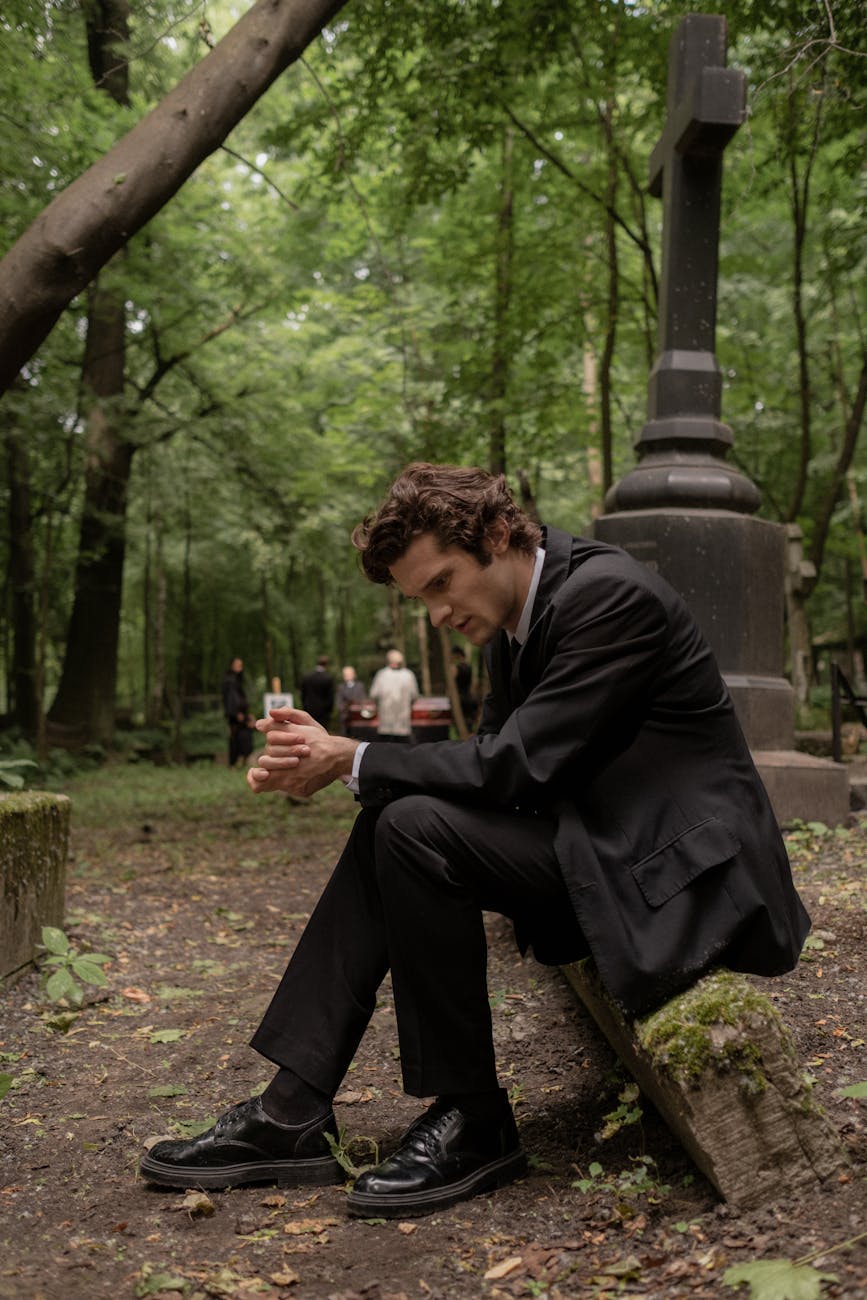
Nehemiah’s first response was one of sadness and a deep ache for the people of Jerusalem. Fasting was a normal reaction to grief for the Jews. It was a way to declare one’s trust in God and devotion. An expressive people, often loud wailing, wearing sackcloth and throwing ashes over your body also accompanied this kind of fasting. It is recorded that Nehemiah sat down on the floor, a sign of humbling oneself, and wept for days. He was in anguish for them, like the exiled priest who might have written Psalms 137, “By the waters of Babylon, we sat down and wept, for thee, Zion.” (Zion was another name for one of the mountains that Jerusalem was built on.)
And he prayed.
Calling on the character and promises of God, confessing his sin and the sins of his people, he asked for something specific from Him: favor from the king.
Four months later, in the spring, when he was serving the king, the king noticed this great sadness. He asked why he appeared so troubled. Nehemiah was startled and terrified that the great king had addressed him, but replied that his ancestral city of Jerusalem and its walls were in ruins. The king then asked, “How can I help you?”
Since he would have encountered the king on a daily basis in those four months since his first prayer, it is reasonable to think that Nehemiah continued to pray for the right opportunity to gain the favor of the king. He was still so deeply concerned that it showed that day. And the king noticed.
In this instance in the Bible, fasting was connected with great mourning, but also resulted in a specific prayer.
When has a situation in your life or others so concerned you that you cried?
What need could you respond to with fasting and prayer?
Say No to something for a while, recognize His character in praise and pray specifically for the need. Don’t be surprised if you feel His tears and His desire to answer your prayer!
God answered Nehemiah’s prayer. So Nehemiah courageously asked and asked big! His list included letters of passage through the nations he would have to pass to reach Judah, timber to rebuild the gates by the temple, timber for the wall and also for a house to live in. The king agreed to it all, even adding soldiers for Nehemiah’s protection on the journey.
Fast and ask big! Jesus is listening and He is with you.
My God who listens, see my distress and hear my prayer. You are great and powerful enough to answer my prayer. You are good and loving and I know You want to answer my prayer. I trust in You. Amen.


Leave a Reply