
Now in those days John the Baptist came, preaching in the wilderness of Judea, saying, “Repent, for the kingdom of heaven has come near.” The prophet Isaiah spoke of him, “He is the voice calling from the wilderness for all to prepare the way of the LORD.” John himself had a garment of camel’s hair, a leather belt and his food was locusts and wild honey. Matthew 3: 1-4
Clothes do more than cover us, keep us warm or keep us pleasantly adorned. They are a vestige of our ancestor’s need to protect themselves from the environment. Nowadays, a lack of appropriate clothing symbolizes a vulnerability and a comparison with others that can highlight shame or misplaced pride.
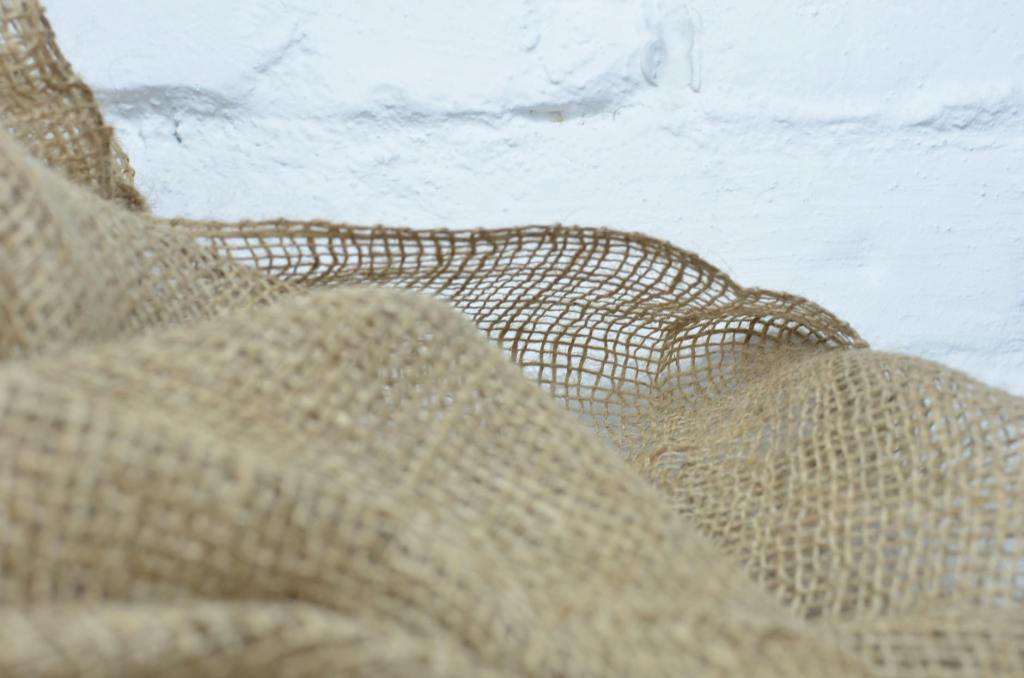
John the Baptist was identified as the first prophet in 400 years, by Jesus, and he dressed the part! He wore camel hair sackcloth, a coarse and loosely-woven garment, which represented a special prophetic call for personal and national repentance. He ate what was available in the desert. His message and his demeanor was one of humility. He was there to proclaim someone greater was coming! Jesus was coming!
Fasting, while wearing sackcloth and ashes, throughout the ages, symbolized repentance, mourning, submission and self-humiliation. In Isaiah 58, God tells us that He is done with this public demonstration of repentance and humility that does not truly indicate an internal submission to Him. The way God wants us to show our true repentance is not by fasting as a ritual but by our lasting response to Him, caring for His people and planting seeds for His harvest. He says: Champion freedom. Root out oppression. Feed the hungry. Shelter the homeless. Cover the naked. Help your family (Isaiah 58:6-9).
Repentance is work! Because we must do the inner work first. Fasting is one way we can highlight our inner thoughts for awhile: Focus on receiving the forgiveness of God and agreeing with Him that we are wrong. Repenting and turning away from our own selfish needs and our inadequate power and resources. Turning around to face Him, the Lord of the Universe, and the very power of God is now in our hands.
Our response, in gratitude, is to use those hands to serve Him by planting the seeds of His harvest and serving the people He puts in our path that are needy.
Fasting and wearing sackcloth was mostly a public demonstration. Jesus reminds us that God wants us to give and pray and fast in secret (Matthew 6), not to try to be noticed or praised or seen by people. Our reward is with Him!
When is the last time you “wore sackcloth” instead of truly fasting in secret?
How did that coarse fabric feel?
How does giving in secret feel?
When could God use fasting in your life to see His harvest more clearly?
There will be a 30 day limited fast sponsored on this blog, starting in January and another on October. If you are interested and have some questions, please contact me.
Lord, make it clear to me that the fruit of my repentance is not penance, but a freer response to the love You show me. Give me hands that are itching to serve and plant seeds. Amen.


Leave a Reply